Don't Tip Like an American: The Reykjavik Money Map for 2026
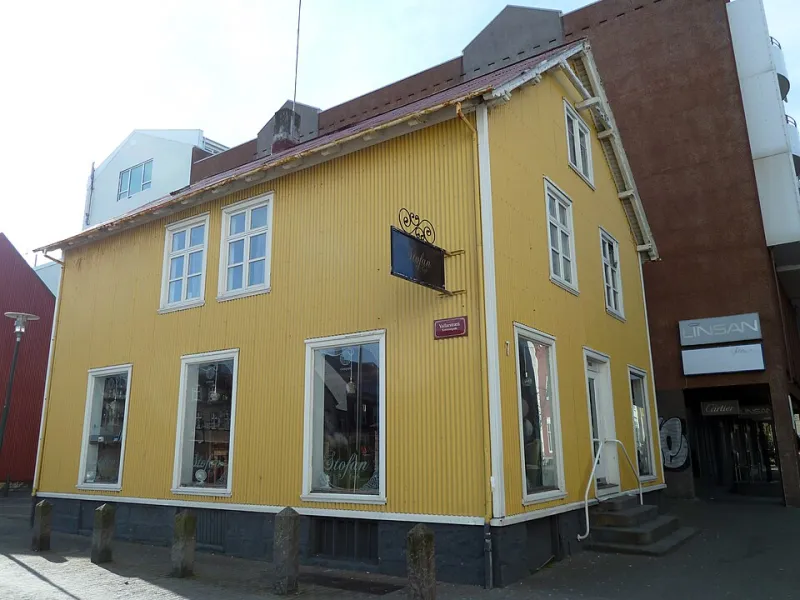
Photo: Rob Young from United Kingdom, CC BY 2.0, via Wikimedia Commons
Here is the good news for your vacation budget: Reykjavik in 2026 runs on plastic. The cashier at the corner shop, the guy selling pylsur out of a window, the kiosk at the geothermal pool, the booth at the harbor — all of them expect a tap, not a fold of bills. Iceland has spent the past decade turning itself into one of the most cashless societies on earth, and by now the job is essentially finished. That is great for your wallet and mildly awkward for the traveler who stuffed a thousand dollars into a money belt. Here is the money map nobody hands you at the airport.
Assume the card works. Everywhere.
Visa and Mastercard are accepted almost universally, down to absurdly small amounts — a single coffee, a postcard, a 300-króna bag of licorice. American Express is a coin flip; plenty of places take it, plenty quietly do not. Discover is essentially a decoration here. Bring two cards from two different networks and stash them in two different bags, because a frozen card in a country where nobody uses cash is a genuinely bad afternoon.
Contactless is the default. Apple Pay and Google Pay work nearly everywhere, including at market stalls and inside taxi cabs. Your phone may genuinely be the only wallet you need.
The few places cash still helps
Cash is not extinct, it is just on light duty. A little kronur is useful for:
- Tour guides and drivers on a long day out, where a small note is a warm thank-you.
- Kolaportið, the weekend flea market by the harbor, where some stalls still prefer bills even though most now tap.
- Campsites, honesty boxes, and rural bathroom jars if you leave the capital on a road trip.
- A handful of small guesthouses that would rather not pay card fees.
Withdraw 10,000 to 20,000 krónur for a week and treat it as emergency money, not spending money. You will likely fly home with most of it.
The tipping conversation, settled
Icelandic wages are union-set and service is baked into the price you see on the menu. Nobody depends on your generosity to make rent, and nobody will chase you down the street if you leave the table without extra. Round up at a bar. At a sit-down dinner, five percent is a generous gesture rather than a rule. Twenty percent — the American reflex — reads less like kindness and more like a misunderstanding of how this country works. For a full-day guided tour, roughly 1,000 krónur per person is plenty. Housekeeping does not expect a nightly envelope.
The PIN problem, which actually bites
Unattended machines are the weak spot. Gas pumps, parking meters, and some ticket kiosks often demand a PIN even for credit purchases, and they are not flexible about it. If your card is signature-preference, call your bank before you fly and ask for a four-digit PIN you can actually remember. Carry a second card as backup.
Two more gas station notes: expect a pre-authorization hold of 20,000 krónur or more when you start a fill, and know that the hold drops off in a few days rather than instantly. Some stations also sell prepaid fuel cards inside the shop, which sidesteps the whole dance.
The quiet 3 percent: foreign transaction fees
A typical US card quietly skims about three percent off every purchase abroad. Over a week of coffee, meals, and museum tickets, that is a real dinner you are donating to your bank. Get a card with no foreign transaction fee before you leave.
Then refuse dynamic currency conversion. Whenever a terminal or an ATM offers to charge you in US dollars instead of Icelandic krónur, decline and choose ISK. The conversion rate on that screen is never in your favor.
For cash, use bank-branded ATMs — Landsbankinn, Íslandsbanki, Arion — inside or beside a branch. The standalone machines in tourist zones add their own fee on top of whatever your bank charges. Take out larger amounts less often, and again: choose ISK, not dollars.
Tax-free refunds without the airport meltdown
Iceland charges 24 percent VAT on most goods, and visitors can claw a chunk of it back. The mechanics matter:
- Spend at least 6,000 krónur in a single transaction at a participating shop. Look for the Tax Free sticker at the till.
- Show your passport at the moment of purchase and get the paperwork then. You cannot come back for the form later.
- Keep goods unused and pack them in checked luggage, not your carry-on.
- Export them within three months.
- Claim at the refund desk at Keflavík before security, and allow 20 minutes in case they ask to see the items.
After the handling fee you get back roughly 11 to 15 percent of the purchase price. Food, drink, hotels, and services do not qualify — so that wool sweater counts, that very good dinner does not.
What a day actually costs in 2026
Rough numbers, so you can plan instead of wince: coffee 600 to 750 krónur; soup and bread at lunch 2,000 to 2,800; a dinner main course 4,000 to 6,500; a pint 1,500 to 1,900; a city bus ride around 700; a public pool 1,200 to 1,500; a museum 2,000 to 3,000. A careful day lands near 12,000 to 15,000 krónur. A comfortable one runs 25,000 to 35,000.
Five mistakes worth skipping
- Changing money at the airport kiosk, where the rate is politely terrible.
- Feeding the freestanding ATMs in the tourist core for 5,000 krónur at a time.
- Tipping 20 percent out of habit.
- Accepting USD at checkout.
- Forgetting the tax-free form at the register and discovering it at the airport.
Reykjavik is expensive. Being a sloppy tourist only makes it more expensive — and the fixes here cost you nothing but ten minutes with your bank before you board.