Tune In: A Neighborhood-by-Neighborhood Guide to Reykjavik's Live Music Scene
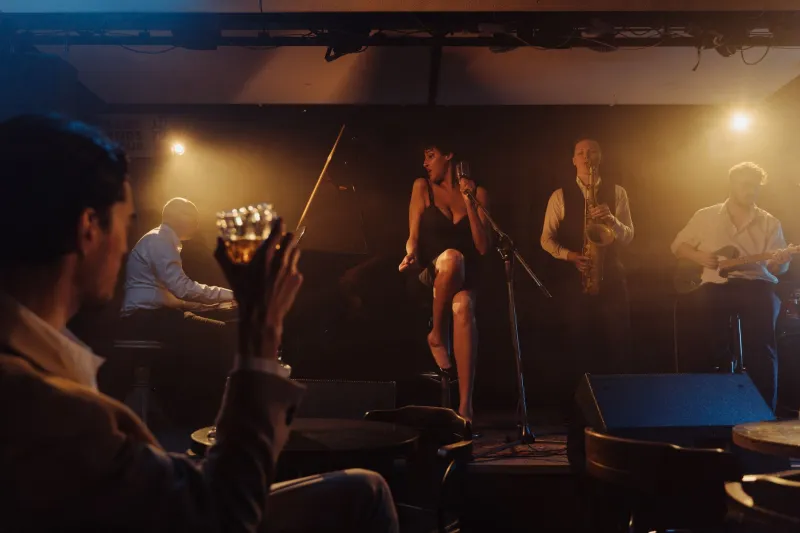
Reykjavik has a music problem. Not the kind you'd complain about — the kind where a city of 130,000 people somehow produces a disproportionate number of globally recognized artists, sustains a thriving local scene across multiple genres, and manages to pack genuinely great live performances into venues the size of a decent Brooklyn apartment. For music-focused travelers, this city is an embarrassment of riches. The challenge isn't finding music — it's knowing where to look.
The tourist maps won't help you much here. The venues that matter most to Reykjavik's actual music community are rarely the ones with the biggest signage. So consider this your working guide to the city's sonic geography.
Why Reykjavik's Music Scene Works the Way It Does
Before we get into specifics, it helps to understand the ecosystem. Iceland's small population means that genre boundaries are blurry by necessity. The same musician might play in an indie band on Thursday, DJ a warehouse party on Friday, and perform in a classical ensemble on Sunday. This cross-pollination produces a scene that's unusually adventurous and surprisingly welcoming to outsiders.
The city's compact geography reinforces this. Everything in central Reykjavik is within walking distance of everything else, which means musicians, venues, and fans are all part of the same connected web. You'll run into the same faces at a record shop, a show, and a late-night bar — which is exactly the kind of community that produces interesting music.
101 Reykjavik: The Central Corridor
The 101 postal district — the dense core of the city around Laugavegur — is where most visitors will encounter live music first, and for good reason. This is where the highest concentration of venues sits.
Húrra is one of the city's most reliable spots for catching local and touring indie acts. It's a bar first, a venue second, and the layout is intimate enough that you're never more than 20 feet from whoever's on stage. Check their calendar before you arrive; shows sell out faster than you'd expect for a room this size.
Gaukurinn has been part of Reykjavik's alternative scene for decades and has reinvented itself multiple times without losing credibility. It hosts everything from metal nights to drag performances to experimental electronic sets. If you want a single venue that captures the breadth of the city's alternative culture, this is it.
Kaffibarinn is smaller and more bar-forward, but it has a back room that transforms into a dance floor on weekends and occasionally hosts DJ sets that go well into the morning. It's a landmark for a reason — the Blur logo above the door is there because Damon Albarn co-owned it briefly in the '90s — but its current reputation is earned on its own terms.
The Old Harbor and Grandi: Where Electronic Music Lives
The reclaimed waterfront district has become the city's home for electronic and experimental music in a way that feels organic rather than manufactured. The warehouse-style spaces suit the music, and the neighborhood's distance from the tourist-heavy center gives events a more genuinely underground feel.
Keep an eye out for one-off events in the Grandi area — pop-up parties in repurposed industrial spaces are common, especially during summer and around festival season. These are rarely advertised on mainstream platforms; Instagram and local Facebook groups are your best intelligence sources.
Iceland Airwaves, the city's flagship music festival, takes over both traditional venues and unusual spaces across Reykjavik every November. If your travel dates can flex to include it, this is genuinely one of the better music festivals in the world for discovering emerging artists — and the off-venue shows (free, scattered across bars and shops throughout the city) are often better than the ticketed headliner sets.
Skólavörðustígur and the Arts District: Record Shops as Cultural Hubs
Reykjavik's record shops are worth seeking out even if you're not planning to lug vinyl home. They function as community noticeboards, informal event spaces, and reliable sources of local knowledge about what's happening musically.
Lucky Records on Rauðarárstígur is the city's most beloved independent shop — a genuine local institution with an eclectic selection and staff who actually want to talk about music. Ask what's on this weekend and you'll get a better answer than any tourist app can provide.
The streets around Hallgrímskirkja and down toward Laugavegur contain several smaller studios and rehearsal spaces that occasionally open for events. The arts district in this part of the city is more porous than it looks from the street — if you see a door propped open with music coming out, it's often worth investigating.
Vesturbær and Residential Reykjavik: House Shows and Community Spaces
This is harder to map and impossible to guarantee, but Reykjavik has an active house-show and community-venue culture that operates largely below the radar of conventional tourism. The western residential neighborhoods occasionally host intimate performances in living rooms, community centers, and small gallery spaces.
The best way to access this layer of the scene is through locals — hostel staff, record shop employees, and bartenders at the venues above are all potential leads. Icelanders are generally friendly about sharing this kind of information with visitors who seem genuinely interested rather than just checking boxes.
Practical Notes for the Music-Focused Visitor
Reykjavik's shows start late by American standards. Doors at 10 p.m. with a midnight set time is completely normal, especially on weekends. Plan your evenings accordingly and don't make the mistake of showing up at 9 expecting anything to have started.
Tickets for smaller shows are often sold at the door in cash or through Icelandic ticketing platforms that require a local payment method. For anything you're serious about catching, look into this in advance.
The city is small enough that you can realistically hit two or three venues in a single evening without a taxi. That walkability is part of what makes Reykjavik's music scene so alive — the night has a natural flow to it that larger cities can't replicate.