The Off-Season Advantage: How Reykjavik Rewards Visitors Who Show Up When It's Dark
Every travel article about Iceland seems to start with the same assumption: you're going in summer. You want the midnight sun, the green hillsides, the puffins. And sure, that version of Iceland is real and spectacular. But there's another version of Reykjavik that most American visitors never see — the one that exists from October through April, when the city pulls inward, the skies do extraordinary things, and you can walk Laugavegur on a Tuesday afternoon without dodging a single selfie stick.
This isn't a consolation prize for budget travelers who couldn't get flights in July. Off-season Reykjavik is genuinely, measurably better for certain types of visitors. Here's how to read the city differently depending on when you arrive.
What Changes Seasonally (And What Doesn't)
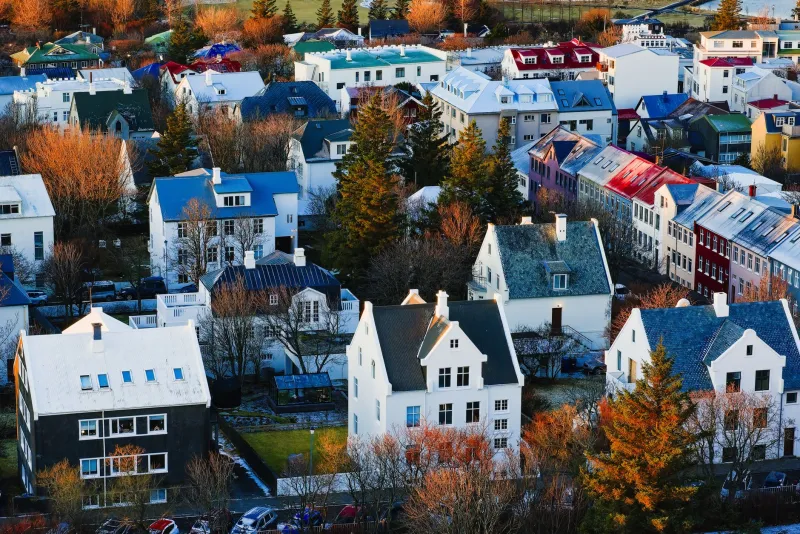
Let's start with the obvious: daylight. In December, Reykjavik gets roughly four to five hours of actual sunlight. That sounds brutal until you experience what those hours actually look like — a long, horizontal golden hour that stretches across the entire sky and turns every building facade, every harbor reflection, and every snow-dusted hillside into something that doesn't look entirely real. Photographers chase this light. You'll understand why within about 20 minutes of your first winter morning walk.
In contrast, October and March — the shoulder seasons — offer something closer to normal daylight hours with dramatically thinner crowds. These are arguably the sweet spots for first-time visitors who want the atmospheric winter aesthetic without committing to near-total darkness.
What doesn't change: the city's walkability, the quality of the food scene, the geothermal pools, and the basic geography that makes Reykjavik easy to navigate. The harbor is still the harbor. Hallgrímskirkja is still up on the hill. The bones of the city are the same year-round.
Neighborhood by Season
The Old Town and 101 Reykjavik (Year-Round Core) The dense central neighborhood around Laugavegur and Bankastræti functions as Reykjavik's heart in every season, but winter gives it a particular warmth — literally. The cafés are fuller, the bars start earlier, and the general vibe shifts from tourist-facing to something more genuinely local. You're more likely to end up in conversation with an Icelander in February than in July, simply because the ratio has shifted.
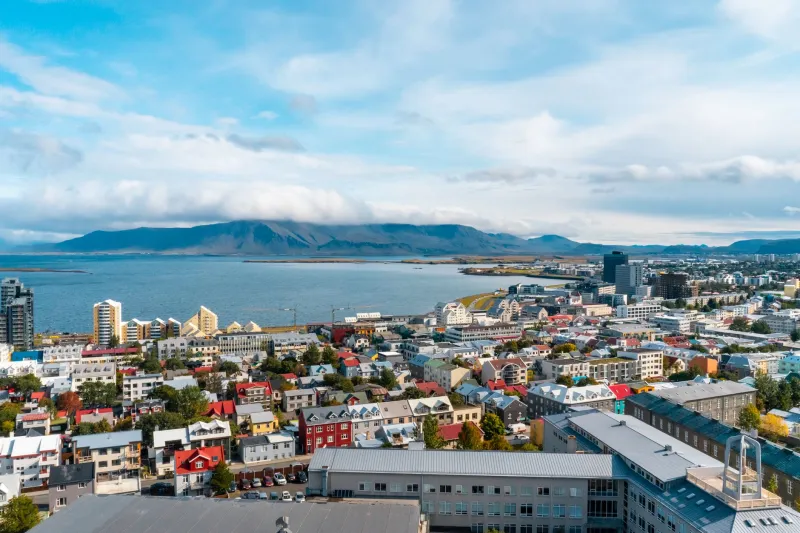
Grandi and the Old Harbor (Best in Autumn) The Grandi district, Reykjavik's reclaimed waterfront neighborhood, is spectacular in autumn. The light in September and October hits the harbor at angles that summer's high sun never achieves. The Marshall House and its associated galleries are running full programming. Whale-watching tours are still operating with smaller groups. And the whole area has a post-summer exhale that makes it feel more like a neighborhood and less like a destination.
Öskjuhlíð Hill and the Pearl (Best in Winter) The dome-topped Pearl building sits on Öskjuhlíð hill, surrounded by a small forest — genuinely unusual in Iceland. In winter, this area transforms. Snow on the ground, steam rising from the geothermal tanks beneath the building, and the city spread below you in that long golden light. The hill has walking paths that are perfectly manageable in winter gear, and the views from the top are among the best in the city. Fewer people know about this than you'd expect.
Vesturbær (The West Side) — A Shoulder Season Secret This quiet residential neighborhood west of the city center is almost entirely off the tourist radar in any season, but it's especially worth exploring in spring. The streets are starting to wake up, local families are out walking, and the outdoor pools at Vesturbæjarlaug are steaming invitingly. This is Reykjavik without the performance — just a neighborhood going about its life.
Indoor Attractions That Actually Matter More in Winter
In summer, museums feel optional. The outdoor world is too compelling. But winter is when Reykjavik's indoor cultural offerings justify themselves fully.
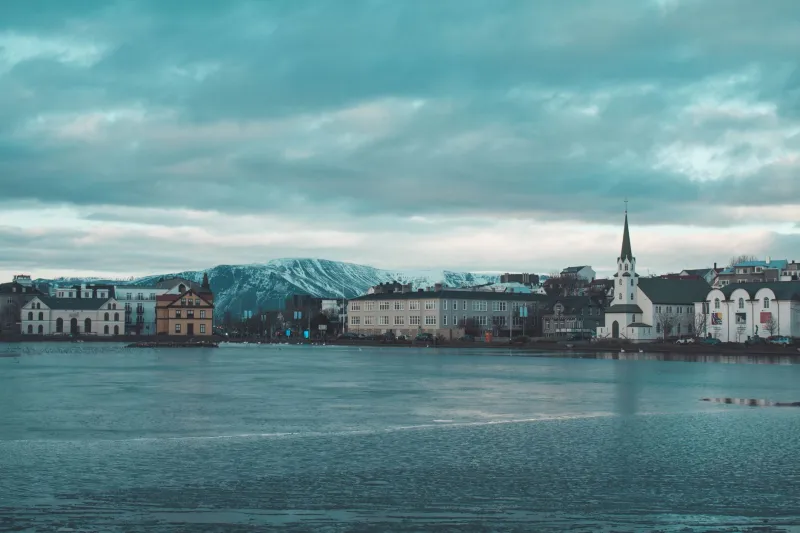
The National Museum of Iceland near Tjörnin lake is a genuine half-day destination when you're not competing with good weather. The Reykjavik Art Museum's three locations — Hafnarhús, Kjarvalsstaðir, and Ásmundarsafn — each have distinct personalities worth exploring across a multi-day winter visit. And the Harpa Concert Hall on the harbor isn't just an architectural showpiece; check their programming calendar before you arrive, because winter is peak season for live performances.
Chasing the Northern Lights From the City
This deserves a realistic conversation. You cannot reliably see the Northern Lights from inside Reykjavik's city center — light pollution is too significant. But you don't have to go far. The coastline east of the city, accessible by bus or a short taxi ride, dramatically reduces interference. Grótta lighthouse at the western tip of the Seltjarnarnes peninsula is a local favorite: easy to reach, minimal light pollution, and genuinely beautiful even when the aurora doesn't cooperate.
The lights require clear skies and solar activity, neither of which you can guarantee. But between November and March, your odds are meaningfully better than any other time of year. Download an aurora forecast app before you arrive and check it every night.
The Practical Case for Shoulder Season
Flights and accommodations in March, April, October, and November are meaningfully cheaper than July and August — sometimes by 40 percent or more. The city's best restaurants are easier to book. The hot pots have more room. And the version of Reykjavik you experience feels less like a theme park and more like a real place.
Summer is wonderful. But the city's best-kept secret might just be how good it gets when the tourist season ends.